Ninja Course
Ninja Course for Fun, Challenge & Confidence
If you’ve got a kid who’s constantly climbing on things, hanging from anything they can reach, or turning everyday spaces into something they can swing across, it usually shows up pretty clearly. We usually see this when regular sports or play just don’t hold their attention for long.
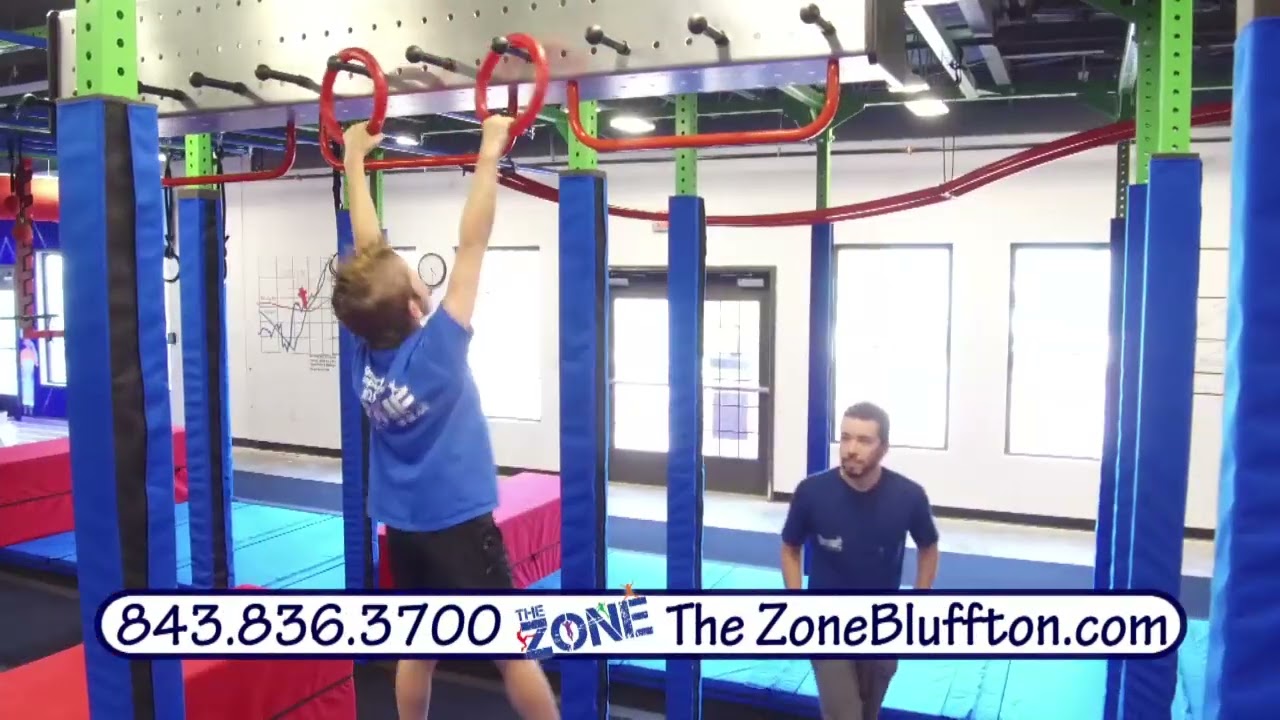
At The Zone, the ninja course gives that energy somewhere to go. It’s a mix of climbing, swinging, balancing, and figuring things out in real time. Whether it’s their first time trying an obstacle or they’re already looking for the next challenge, this is where movement turns into something they actually want to keep coming back to. Call us at (843) 836-3701 to check out the course and get started.

Why Some Kids Need a Different Kind of Challenge
Not every kid connects with traditional sports or structured drills.
What happens next is they either lose interest or start looking for something that feels more engaging. In most cases, it shows up as constant movement—climbing on furniture, hanging from railings, or testing their balance anywhere they can. It’s not usually a behavior issue—it’s a lack of the right kind of outlet.
From the outside, it can look like too much energy, but underneath it’s usually a need for challenge, coordination, and problem-solving. A ninja course gives them a way to use that energy in a way that actually builds something—balance, strength, and confidence.
Fun For Any Skill Level
At The Zone, we know that adventure has no limits. Between serious training sessions, players can blow off steam with our full range of attractions.
And Don’t Forget About Our Parties & Events
What Happens on a Ninja Course
Learning Through Movement and Trial
The first thing most kids do is test things out. We usually see this when they pause at an obstacle, watch someone else go first, and then try it themselves. That process of watching, attempting, and adjusting is how they start figuring things out.
Building Strength Without It Feeling Like Work
As they move through the course, they’re building grip strength, balance, and body awareness—learning how to control their movement instead of just reacting. Hanging from bars, crossing unstable surfaces, and climbing all work together in a way that feels more like play than practice.
Turning Challenges Into Progress
At first, most kids hit the same stopping point over and over. Once this starts, it becomes less about getting through the course and more about figuring out how to get past that one obstacle. When they do, it’s not subtle. We usually see that moment where they finally make the move they’ve been stuck on—there’s a quick burst of energy, sometimes even shaking from the effort, and then they want to do it again. For some, that turns into timing their runs or trying to hit a clean finish, where getting through the course becomes something they measure and improve.
Over time, the focus shifts from just getting through to moving more efficiently and trying harder variations. Call (843) 836-3701 to plan a visit and let them try it out.

Where Unstructured Play Starts to Fall Short
Kids will naturally try to climb and jump on their own, but not every environment is built for it.
Once this starts, it rarely stays controlled. We usually see attempts at bigger movements without the right setup—trying to jump farther than they should, climbing unstable surfaces, or even attempting things like running up walls without the right approach or support.
Grip strength also gives out faster than most expect, and when that happens mid-swing or mid-climb, it’s usually not something kids are prepared to recover from. A structured course changes that. Proper spacing, stable equipment, and impact surfaces mean they can push themselves without the same risks that come from improvised setups.
What Happens When That Energy Has Nowhere to Go
When kids don’t have an outlet for this kind of movement, it usually shows up in other ways.
In most cases, the next limitation is confidence. Without a place to test themselves, they either hold back physically or lose interest in activities that don’t challenge them. We usually see this when kids either hesitate or quit early on things that feel difficult, instead of working through them.
At the same time, they miss out on building coordination and strength that comes from moving in different ways. Over time, that can turn into frustration or a drop in overall activity, especially if nothing else feels as engaging.
When Families Usually Try a Ninja Course
We usually see families come in when they’re looking for something different—something that keeps kids active without feeling repetitive.
For a lot of them, it starts after trying other activities that didn’t quite stick. The structure was there, but the engagement wasn’t. Or the energy level was high, but there wasn’t a safe way to channel it. This also comes up when outdoor play isn’t consistent. Weather, space, or time can limit what kids are able to do on their own. We’ve become a go-to spot for families in Bluffton, Hilton Head, and Okatie who need a weather-proof way to keep their kids active.
What happens next is where the course makes a difference. Once kids have a space where they can move, try, fail, and try again, they tend to stay engaged longer. Most don’t just try it once—they come back because they want to beat the part they couldn’t finish the first time. If you’re looking for that kind of outlet, call (843) 836-3701 and come see how the course works.
FAQs About Ninja Course
Is the ninja course safe for kids?
Yes. The course is designed with proper spacing, stable equipment, and impact surfaces to reduce risk while still allowing kids to challenge themselves.
What age is the ninja course best for?
It works for a range of ages, especially kids who enjoy climbing, jumping, and active challenges.
Do kids need experience to try it?
No. Most kids figure it out as they go. The course naturally encourages trial and learning through movement.
What if my child is nervous to try it?
That’s common. Most start by watching others and then attempting smaller obstacles first. Confidence usually builds quickly once they begin.
Does it help with strength or coordination?
Yes. Grip strength, balance, and coordination all develop through repeated movement on different types of obstacles.
Give Them a Challenge They’ll Actually Stick With
If your child is always looking for something to climb, jump, or test themselves on, the ninja course gives them a space where that energy actually goes somewhere. We’ve seen it time and time again—once they find an obstacle they want to beat, they stay with it until they do. Call (843) 836-3701 to plan your visit and let them experience it for themselves.